

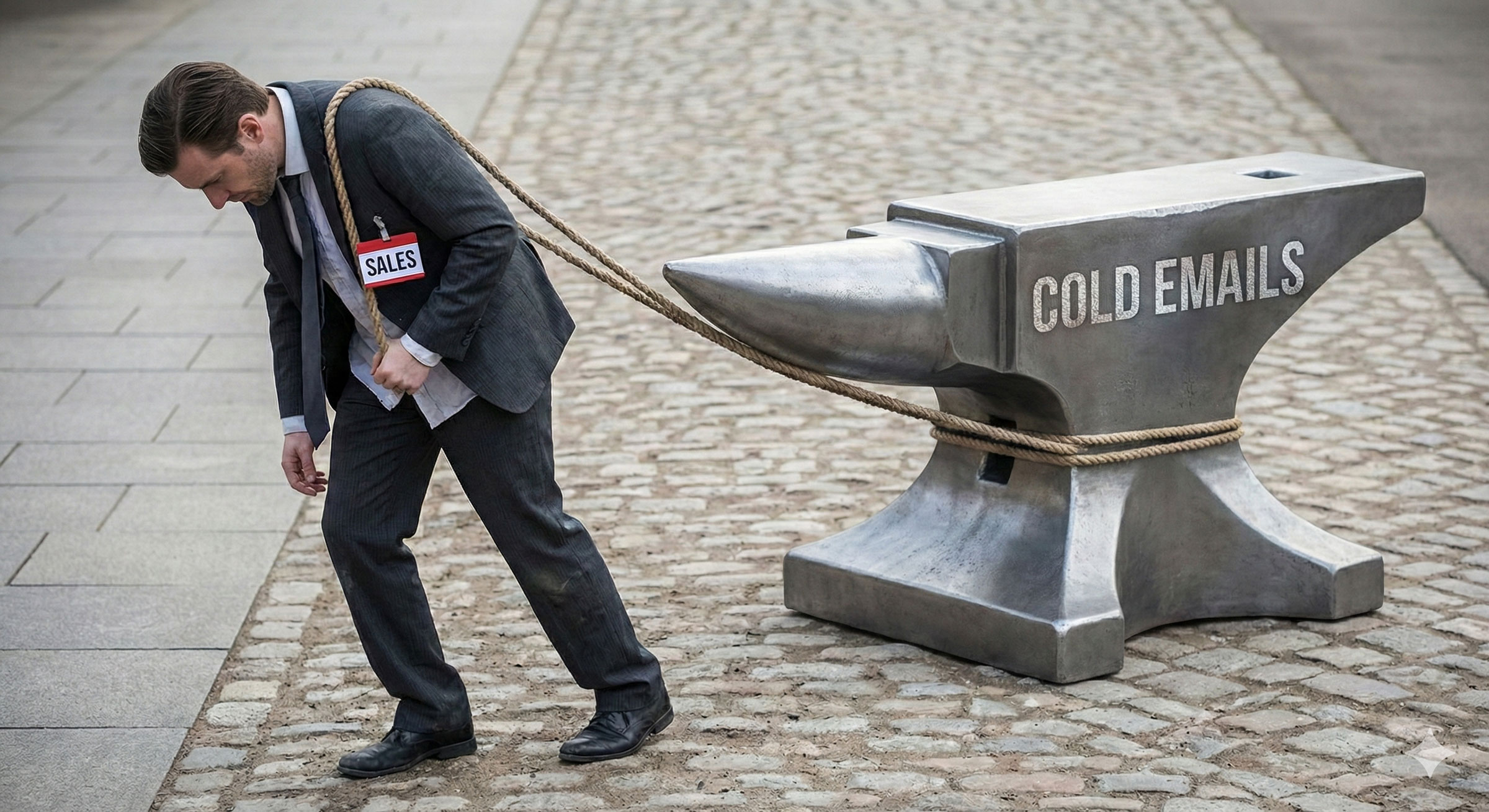
The inbox has become a battleground, and cold emails are losing.
If you’re still relying on unsolicited outreach to logistics professionals, freight forwarders, or supply chain decision-makers, you’re not just annoying people—you’re potentially running afoul of regulations designed to protect privacy and combat spam. More importantly, you’re wasting resources on a tactic that doesn’t work.
Let’s talk about why cold emails have become ineffective, legally questionable, and inconsistent with how global logistics actually operates.
The Regulatory Reality
Logistics is a worldwide ecosystem. Your prospects aren’t just in the United States—they’re in Rotterdam, Shanghai, São Paulo, and everywhere in between. That means the rules governing how you can contact them vary significantly by jurisdiction, and ignorance isn’t a defense.
GDPR in the EU requires explicit consent before you can process someone’s personal data for marketing purposes. Buying a list of emails and blasting out cold pitches doesn’t meet that standard. Violations can cost you up to 4% of annual global turnover or €20 million, whichever is higher.
CASL in Canada operates on an opt-in model. You need express or implied consent before sending commercial electronic messages. Even if someone’s email is publicly available, that doesn’t give you permission to add them to your outreach campaign. Penalties can reach up to $10 million per violation for businesses.
CAN-SPAM in the U.S. is more permissive than GDPR or CASL, but it still requires truthful headers, clear identification of the message as an ad, a valid physical address, and an easy opt-out mechanism. Most cold emails fail at least one of these requirements. And while CAN-SPAM violations might not carry the same financial penalties as GDPR, they still damage your reputation and can result in fines of up to $53,088 per email.
Even if your cold emails technically comply with CAN-SPAM, they’re likely violating the spirit—if not the letter—of international laws when they land in inboxes outside the United States.
The “Confidential Email” Charade
Here’s a common footer you’ve probably seen on cold emails: “This email and any attachments are confidential and intended solely for the addressee.”
Let’s be clear: if you’re sending unsolicited emails to people you’ve never spoken with, that message isn’t confidential. You can’t claim privilege or confidentiality over content you’re distributing widely to strangers. It’s legal theater, and it’s transparent. Worse, it signals that you either don’t understand what confidentiality means or you’re hoping your recipient doesn’t.
Confidentiality protections apply to communications between parties with an established relationship or legal obligation to protect information. A cold email offering “cutting-edge logistics solutions” doesn’t qualify.
Logistics Is About People, Not Spam
Here’s what matters in logistics: people. The person at the port who makes sure your container clears customs on time. The freight forwarder who finds you capacity when sailings are blanked. The customs broker who spots a classification error before it becomes a costly delay. The carrier rep who keeps you informed when weather disrupts your shipment.
This industry has always run on trust between individuals working together across borders, time zones, and languages to move cargo from Point A to Point B. That trust isn’t built through mass-email campaigns. It’s earned through reliability, transparency, and human connection—the kind that happens when someone picks up the phone, meets you at a conference, or gets introduced by a mutual contact who vouches for your work.
Cold emails treat people like targets in a database. They ignore the fundamental reality that logistics decisions are made by human beings who value relationships, context, and demonstrated competence. When you send a generic pitch to someone you’ve never met, you’re signaling that you don’t understand how this industry actually works.
Why Cold Emails Don’t Work in Logistics
Beyond the legal and ethical problems, cold emails simply aren’t effective in this industry. Logistics professionals are busy. They’re managing shipments, navigating customs regulations, coordinating with carriers, and dealing with the relentless complexity of global trade. They don’t have time to sort through generic pitches from vendors they’ve never heard of.
Trust matters in logistics. Relationships are built on referrals, proven track records, and demonstrated expertise. A cold email doesn’t establish any of those things. At best, it’s ignored. At worst, it damages your brand before you’ve even had a chance to make a real impression.
What Works Instead
If cold emails are out, what should you be doing?
Build a reputation. Publish thoughtful content that demonstrates your expertise. Speak at industry events. Contribute to conversations on LinkedIn and in trade publications. When people know who you are and what you stand for, they’ll reach out to you.
Leverage warm introductions. Referrals and introductions from mutual contacts carry weight that no cold email ever will. Invest in relationships within the logistics community, and those connections will open doors.
Engage where your audience already is. Join industry associations, participate in forums, and show up where logistics professionals are discussing real challenges. Add value first, and business development will follow.
Respect consent. If you’re building an email list, do it the right way. Offer something of value in exchange for permission to stay in touch. Then honor that permission by sending relevant, helpful content—not just sales pitches.
Remember you’re dealing with people. Every email address belongs to a person with a full inbox, competing priorities, and a finely tuned sense of whether you understand their world. Treat them accordingly.
The Bottom Line
Cold emails are a relic of an era when inboxes were less crowded and regulations were less stringent. In a global industry like logistics, where relationships and trust are everything, they’re not just ineffective—they’re a liability.
If you’re still sending them, it’s time to stop. Focus on building a reputation, earning trust, and creating real value. That’s what opens doors in logistics. Everything else is just noise.
Need help crafting a smarter outreach strategy? Position : Global works with logistics and supply chain businesses to build clear, credible communication that resonates with the right audiences. Let’s talk about what actually works.